 Skip to content
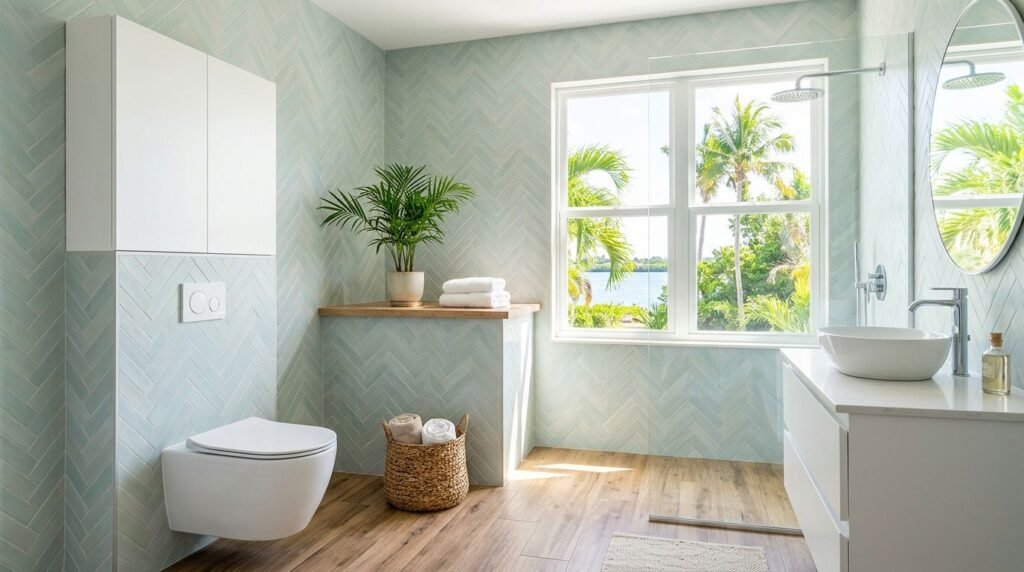
That blank wall above the toilet can do more than collect dust. In a Fort Myers remodel, a toilet topper cabinet can turn wasted space into storage that looks planned, not patched in later.
This matters even more in smaller baths, where every inch has to work. The right cabinet can hide spare towels, extra paper, and daily clutter while still fitting the style of the room. Good choices start with size, finish, and smart placement.
Why a toilet topper cabinet makes sense in Fort Myers homes
Bathrooms in Southwest Florida have a few extra demands. Humidity sticks around, guests come and go, and many homes need storage without making the room feel crowded. A toilet topper cabinet solves several of those problems at once.
First, it uses vertical space that often goes ignored. That helps in hall baths, powder rooms, and smaller primary baths where floor space is tight. Instead of adding a bulky linen tower, you can keep the footprint open and still gain closed storage.
Second, it helps the room look more finished. Smart cabinet design can make the space above the toilet feel tied into the vanity, trim, and wall color. When the cabinet matches nearby finishes, the room feels calm and intentional.
Scale matters, though. A cabinet that is too wide can overpower the toilet wall. One that is too shallow may not hold much. In most remodels, the best fit is a cabinet that feels proportional to the vanity and leaves comfortable clearance around the toilet and tank lid.
Before you choose a style, it helps to review real bathroom cabinet design examples and see how different sizes and finishes read in a finished space. That visual check can save you from picking something that looks great on paper but feels heavy in person.
Toilet topper cabinet ideas that match coastal, modern, and transitional bathrooms
Fort Myers bathrooms often lean light, airy, and easy to live with. Still, that can mean different things from one home to the next. A toilet topper cabinet should follow the room’s style, not fight it.
This quick guide can help narrow your options:
| Style | Door style | Best finish choices | Hardware look | Good storage setup |
|---|---|---|---|---|
| Coastal | Shaker or slim frame | White, sand, pale gray, soft blue | Brushed nickel or matte black | Open shelf below cabinet for rolled towels |
| Modern | Flat panel | Warm wood, matte white, charcoal | Minimal bar pulls or touch-latch | Full doors with hidden shelves |
| Transitional | Simple recessed panel | Greige, off-white, mid-tone wood | Classic knobs or small pulls | One closed cabinet with one display niche |
The main takeaway is simple. Match the topper to the vanity style first, then fine-tune color and hardware.
A coastal bathroom usually benefits from light finishes and a softer look. White or driftwood-inspired tones keep the room bright, especially when natural light is limited. Glass-front doors can work, but only if you’re willing to keep the contents neat. In most homes, solid doors are easier to live with.
Modern bathrooms call for cleaner lines. A flat-panel toilet topper cabinet in a matte finish can look crisp without feeling cold. If the vanity has wood grain, repeat that tone above the toilet for balance. A floating vanity paired with a boxy wall cabinet can look sharp, but keep the cabinet slim so it doesn’t crowd the wall.
Transitional bathrooms give you the most freedom. You can blend a classic door profile with simple hardware and a soft neutral finish. This style works well if the rest of the home mixes traditional and newer details. It also ages well, which matters when you want your remodel to look current for years.
The best-looking toilet topper cabinets don’t try to steal attention. They support the room and make storage easier.
If you want a custom feel, consider matching the cabinet crown, side panels, or paint color to the vanity. Those small details help the topper feel built in.
Materials, storage details, and installation tips that hold up well
Looks matter, but bathroom performance matters more. In Fort Myers, moisture-friendly materials and finishes should be part of the plan from the start.
Plywood cabinet boxes are a solid pick because they handle humidity better than lower-grade materials. Quality engineered panels can also work well when they have a durable finish and sealed edges. For painted cabinets, a smooth finish with proper sealing helps guard against swelling and wear. Hardware should also hold up, so rust-resistant hinges and pulls are worth it.
Inside the cabinet, shelf layout matters more than people expect. Deep shelves can become clutter traps. Adjustable shelves are usually better because they let you store taller items without wasting space. A mix of closed storage and one small open section can also work well if you want room for decor, baskets, or guest towels.
A few install details make a big difference:
- Leave enough clearance to remove the toilet tank lid for repairs and cleaning.
- Anchor the cabinet securely into wall studs, not drywall alone.
- Check door swing so it doesn’t crowd nearby mirrors, trim, or lighting.
- Keep the cabinet depth comfortable so you don’t feel boxed in while seated.
Ventilation matters too. A bathroom with poor airflow puts more stress on finishes over time. If the room already struggles with moisture, fix that first instead of asking the cabinet to survive bad conditions.
If a toilet topper cabinet looks custom but blocks access, it wasn’t planned well enough.
Because bathroom walls aren’t always straight, exact measurements matter. Working with a local cabinet design team can help you avoid fit issues, especially in remodels where tile, plumbing height, or trim details limit the available space.
That empty wall above the toilet can either stay wasted or start pulling its weight. The best choice is usually one that fits your style, handles humidity well, and gives you storage you will use every day.
A well-planned toilet topper cabinet doesn’t need to be flashy. It just needs to feel right for the room, and make the bathroom easier to live in. If you’re comparing options, reading Fort Myers client reviews can help you spot the details homeowners value most after installation.
